
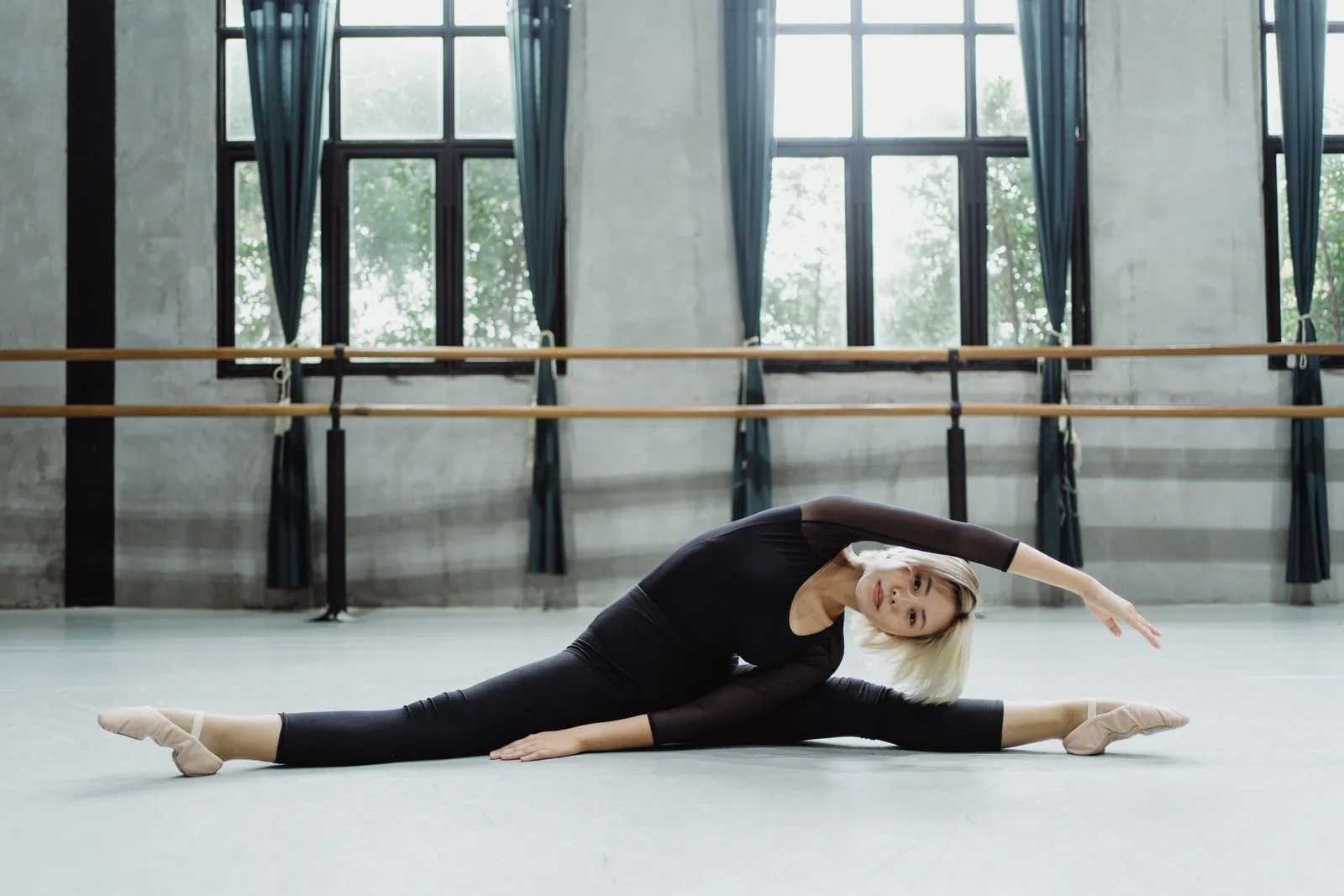
Barre conditioning can look gentle, but small movements often ask muscles to work steadily and with control. A short range of motion, a sustained hold, or a careful shift of weight can make an exercise demanding without relying on heavy equipment. Over time, regular practice can support strength, balance, and a clearer sense of alignment. Understanding what makes these movements effective can help you approach class with patience and useful expectations.
Small Movements, Steady Effort
In barre, an exercise may involve lowering and lifting your heels only a little, bending your knees within a comfortable range, or pulsing through a small movement. The limited range does not mean the muscles are resting. They continue to support and control your position, especially when you move slowly and avoid using momentum.
A series of small repetitions can create a noticeable challenge in the working area. Rather than pushing through discomfort, focus on smooth motion and steady breathing. If your form starts to change, make the movement smaller, take a brief pause, or ask the instructor for a modification.
Holds Build Control
Many barre exercises include a pause at a specific point, such as holding a supported lunge or maintaining a raised heel. During a hold, muscles must keep the body in position instead of relying on repeated movement. This can help you practice staying stable while maintaining a comfortable, deliberate posture.
A hold should feel challenging but manageable. Keep your joints soft rather than locked, and breathe instead of bracing. Use a barre or chair for support when needed. The goal is controlled effort, not staying in a position that causes sharp pain, numbness, or loss of balance.
Alignment Makes Effort Useful
Precise positioning helps direct effort where an exercise intends. For example, tracking your knees in line with your feet during a bend can help you move with greater control. Keeping your ribs comfortably over your hips can also make it easier to notice when you are arching your back or leaning to one side.
Alignment is not about forcing every body into one shape. It means finding a position that feels stable and suits your range of motion. An instructor can offer options, while you can check in with your own comfort. Choose a smaller range if that lets you maintain control without strain.
Body Awareness Grows With Practice
Barre asks you to notice details: where your weight sits in your feet, whether one side feels different, and how your posture changes as you move. This attention can help you recognize when you are shifting, gripping, or rushing. Those observations are useful even outside class, when you stand, climb stairs, or carry everyday items.
Progress may show up as steadier balance, more consistent form, or a better ability to adjust an exercise to your needs. These changes take practice and can vary from person to person. At Harbour Barre in Victoria, BC, an instructor can help you explore controlled options and build a routine that feels approachable.
Barre conditioning uses small ranges, sustained holds, and attentive alignment to make muscles work with control. Start within a comfortable range, breathe steadily, and adjust when your form or comfort changes. With consistent practice, you can develop strength while becoming more aware of how your body moves. Consider trying a class to see whether barre fits your goals.