
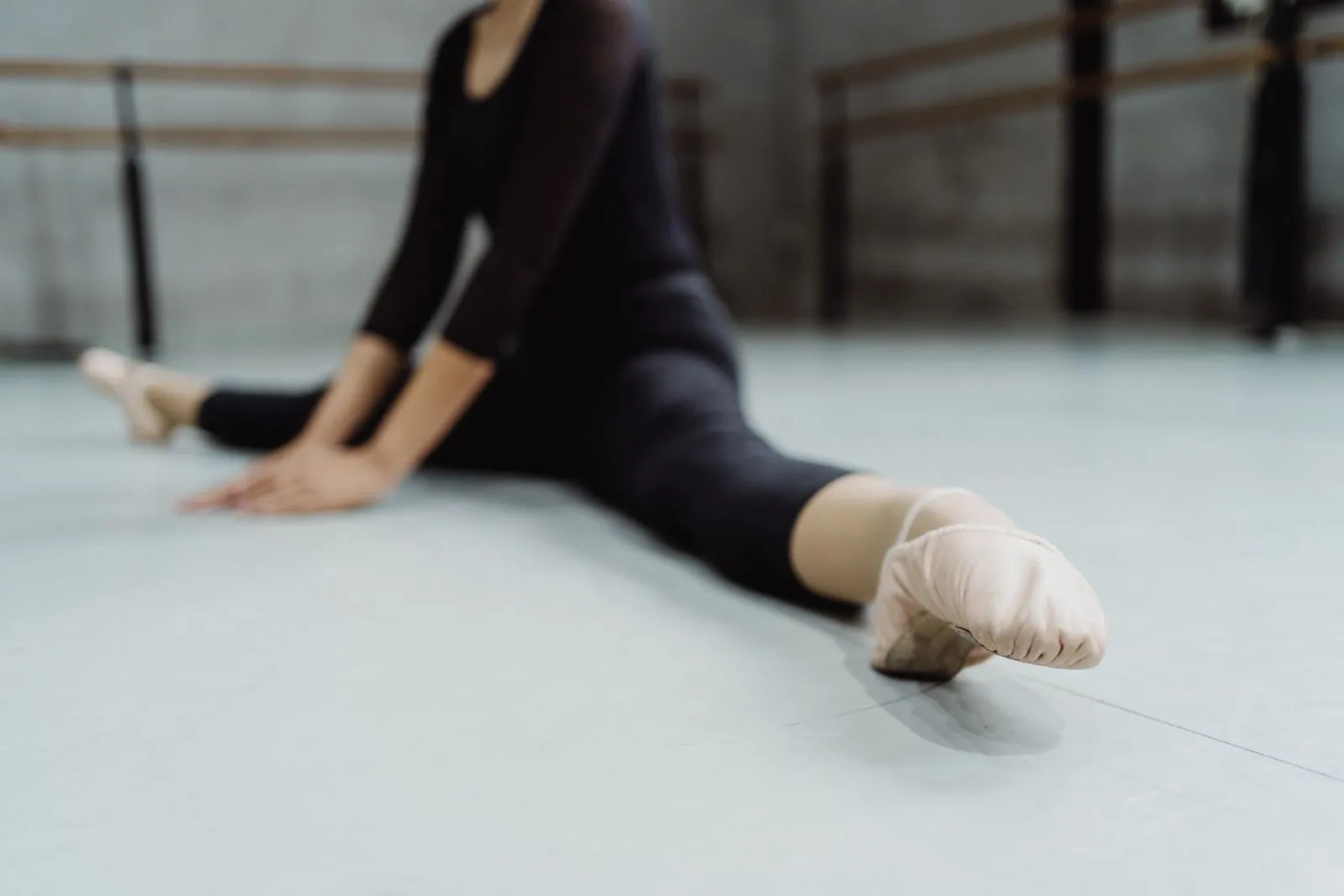
Your first barre class can feel unfamiliar, but you don’t need dance experience or advanced flexibility to take part. A typical class combines small, controlled movements with balance work and stretching. The instructor will guide you through each exercise and offer options as you go. You can pause, adjust your range of motion, or take a break whenever you need. Knowing the general class flow can help you arrive feeling more at ease.
How a Class Usually Flows
Many barre classes begin with a gentle warm-up to get your body moving. You might do standing exercises, simple arm movements, or light leg work before heading to the barre. The instructor usually demonstrates the movement, explains the setup, and then leads the group through short sequences. Follow the cues at your own pace; you don’t have to match every movement perfectly.
The middle of class often alternates between exercises at the barre and work away from it, such as floor-based core exercises. A class may finish with a cool-down and stretches for the legs, hips, back, and shoulders. The exact order varies by studio and instructor, so ask when you arrive if you’d like a quick overview.
Movements You May Try
Common barre exercises include small knee bends, heel raises, leg lifts, and pulses performed while holding the barre for balance. You may also practice standing on one leg or moving your arms while keeping a steady posture. These movements are usually controlled rather than fast. Small ranges of motion are normal, especially when you’re learning the position.
You may notice your muscles working or lightly shaking during a sequence. That can happen when muscles are challenged, but it isn’t a goal to push through pain. Keep your knees comfortable, avoid forcing a turnout or deep bend, and tell the instructor if something feels sharp, unstable, or uncomfortable. They can suggest a simpler option or help you adjust your position.
What to Bring and Wear
Wear comfortable, close-fitting clothes that let you move without getting in the way. Leggings or flexible pants and a fitted top are practical choices. Studios may ask for bare feet or grippy socks, so check the class instructions before you go. Bring water, and arrive a little early to find the room, put your belongings away, and let the instructor know it’s your first class.
You generally don’t need dance shoes, special equipment, or prior training. Barre classes use a fixed barre for support, and instructors can show you where to stand and how lightly to hold it. If you have an injury, a health concern, or movement restrictions, contact the studio before class and share only the details needed to help the instructor offer appropriate options.
Simple Ways to Feel Ready
Choose a spot where you can see the instructor and hear the cues. Listen for setup instructions before moving, and ask a quick question if you’re unsure where your feet or hands should go. It’s fine to watch a demonstration first. Focus on steady breathing and controlled movement instead of trying to make every position look like someone else’s.
Take breaks when you need them, and use a smaller movement if a sequence feels challenging. You can return to the exercise when you’re ready, or rest until the next one. At Harbour Barre in Victoria, you can contact the studio before booking if you’d like to ask what to expect from a specific class.
A first barre class is a chance to learn the movements, get familiar with the pace, and find options that suit your body. Wear comfortable clothes, arrive early, and give yourself permission to take things one cue at a time. If you have questions before your first visit, contact a local studio to learn how its classes are structured.